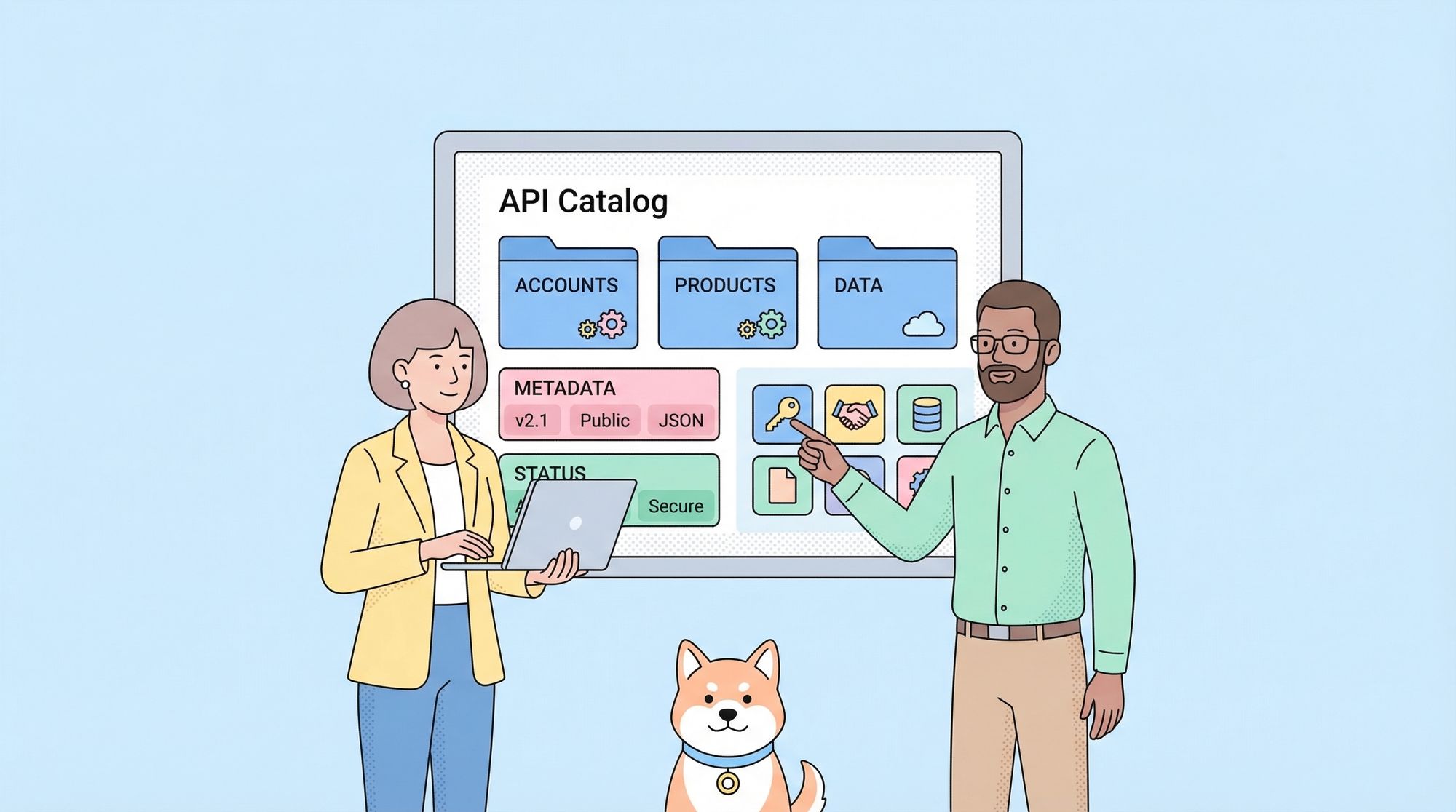
An API portal is a centralized online platform where organizations publish, document, manage, and promote their APIs for both internal and external developers. Sometimes referred to as a developer portal, an API portal acts as the front door to an organization’s API ecosystem. It enables API providers to package APIs as products, while empowering API consumers to discover, evaluate, and integrate APIs efficiently.
API portals are more than just documentation repositories. They offer interactive features like live testing, usage analytics, credential management, onboarding tools, and developer engagement resources. By streamlining the entire API lifecycle, API portals drive API adoption, reduce integration friction, and foster a collaborative developer community.
Why API Portals Matter: The Business and Developer Impact
APIs are the building blocks of digital transformation. However, without a well-designed API portal, even the most powerful APIs can go unused or misunderstood. Here’s why API portals are essential:
- Developer Enablement: Developers can easily find API documentation, obtain credentials, and test endpoints, dramatically reducing onboarding time.
- API Productization: Organizations can showcase APIs as products, including details on usage limits, pricing, and support.
- Governance and Security: API portals enforce access controls, monitor usage, and provide compliance tools.
- Community Building: Interactive features like forums, FAQs, and feedback forms foster engagement and continuous improvement.
- Accelerated Innovation: By lowering the barrier to API consumption, API portals enable faster integration and the creation of new applications.
Key Features and Architecture of an API Portal
A robust API portal is more than just a landing page. Let’s break down the essential components and features every API portal should have:
1. Comprehensive API Documentation
Quality documentation is the heart of any API portal. This includes:
- Detailed endpoint descriptions
- Request and response examples
- Authentication/authorization requirements
- Error codes and troubleshooting steps
- SDKs and code samples in multiple languages
Modern API portals often integrate interactive documentation (like Swagger/OpenAPI), allowing users to try API calls directly within the portal.
2. API Discovery and Catalog
An API portal should provide a searchable catalog of all available APIs, grouped by domain, business unit, or product. Filtering, tagging, and categorization help users quickly find the right API for their needs.
3. Self-Service API Key and Credential Management
Developers expect to sign up, request access, and generate API keys or OAuth credentials without manual intervention. An API portal should automate this process while enforcing security best practices.
4. Interactive Playground and Testing Tools
Embedded API explorers enable users to test endpoints with real or mock data directly from the portal. This try-before-you-buy approach enhances understanding and confidence in the API.
5. Versioning and Change Management
API portals communicate updates, breaking changes, and deprecations. Version history and changelogs help developers anticipate and adapt to changes.
6. Analytics and Usage Monitoring
Providers can track API consumption, error rates, and user engagement. This data informs product decisions and resource allocation.
7. Support, Forums, and Community Resources
A good API portal includes FAQs, troubleshooting guides, discussion forums, and even blogs or event calendars. This builds a sense of community and encourages feedback.
8. Branding and Customization
For organizations, the API portal is a public-facing asset. Custom branding, UI theming, and integration with existing support channels are important for professionalism and trust.
How API Portals Work: The Lifecycle in Action
Let’s walk through a typical workflow enabled by an API portal:
1. Discovery: A developer visits the API portal and browses available APIs by category.
2. Evaluation: The developer reads interactive documentation, reviews sample requests, and checks usage policies.
3. Onboarding: The developer registers for an account, requests access, and receives API credentials.
4. Testing: Using the portal’s playground, the developer sends test requests to validate API functionality.
5. Integration: The developer downloads SDKs, copies code snippets, and integrates the API into their application.
6. Support: If issues arise, the developer consults FAQs, posts in forums, or contacts support via the portal.
7. Monitoring: The developer tracks their API usage and receives notifications on updates or deprecations.
This streamlined experience is only possible with a feature-rich API portal at the center of your API strategy.
Real-World Applications of API Portals
API portals are critical for organizations across industries. Here are some practical examples of how API portals power business success:
FinTech Platforms
Financial institutions use API portals to expose payment, account, and transaction APIs to partners and third-party developers. The portal provides secure onboarding, regulatory compliance information, and sandbox environments for rapid prototyping.
SaaS Providers
SaaS companies leverage API portals to enable customers to extend platform functionality, automate workflows, and develop custom integrations. Interactive documentation and SDK downloads accelerate adoption.
E-Commerce Marketplaces
Marketplaces expose product, inventory, and order APIs to merchants via an API portal. Documentation, rate limits, and usage analytics help merchants build robust integrations and monitor performance.
IoT and Smart Devices
IoT vendors publish device management and data collection APIs in a portal, allowing developers to create dashboards, automation scripts, or mobile apps that interact with connected devices.
Government and Open Data
Public sector organizations share open data APIs through transparent, accessible API portals, promoting civic innovation and data-driven decision making.
Building Your API Portal: Buy, Build, or Hybrid?
Organizations face a choice when implementing an API portal:
- Platform Portals: Many API management solutions (e.g., Apidog, Apigee, AWS API Gateway) offer built-in portals with standard features.
- Custom Portals: Organizations with unique requirements may build their own portals for maximum flexibility and branding.
- Hybrid Approaches: Some combine out-of-the-box functionality with custom extensions for the best of both worlds.
The right approach depends on your organization’s needs, developer audience, and resources.
How Apidog Can Help You Create a Modern API Portal
If you’re seeking a robust, spec-driven platform to power your API portal, Apidog is an excellent choice. Apidog provides:
- Automated Online Documentation: Instantly generate interactive, up-to-date API docs from your API specifications, perfect for publishing in your API portal.
- Mock Data and Testing Playground: Enable developers to test APIs with live or simulated data directly in the portal.
- Importing and Versioning: Seamlessly import APIs from Swagger, Postman, and other sources to keep your portal synchronized and current.
- Collaborative Workflow: Apidog’s team features make managing API lifecycle, change notifications, and documentation updates effortless.
- Customization: Easily brand your API portal, structure API catalogs, and tailor onboarding flows to your audience.
By integrating Apidog into your API portal strategy, you can dramatically reduce time-to-market, improve developer experience, and ensure your APIs are always discoverable and consumable.
Best Practices for Creating a Successful API Portal
To maximize the value of your API portal, follow these proven practices:
1. Invest in Developer Experience: Prioritize usability, clarity, and responsiveness in your portal design.
2. Keep Documentation Current: Use tools like Apidog to automate updates and reduce manual overhead.
3. Enable Self-Service: Empower users to register, obtain credentials, and test APIs without waiting for manual approval.
4. Foster Community: Encourage feedback, host forums, and respond to support queries promptly.
5. Communicate Changes: Use the portal to announce updates, breaking changes, and API deprecations.
6. Monitor and Iterate: Leverage analytics to identify pain points and opportunities for improvement.
Frequently Asked Questions about API Portals
Q: Is an API portal only for developers?
A: While developers are the primary audience, modern API portals cater to business analysts, product managers, and decision-makers who need to understand available APIs and their business value.
Q: How is an API portal different from an API gateway?
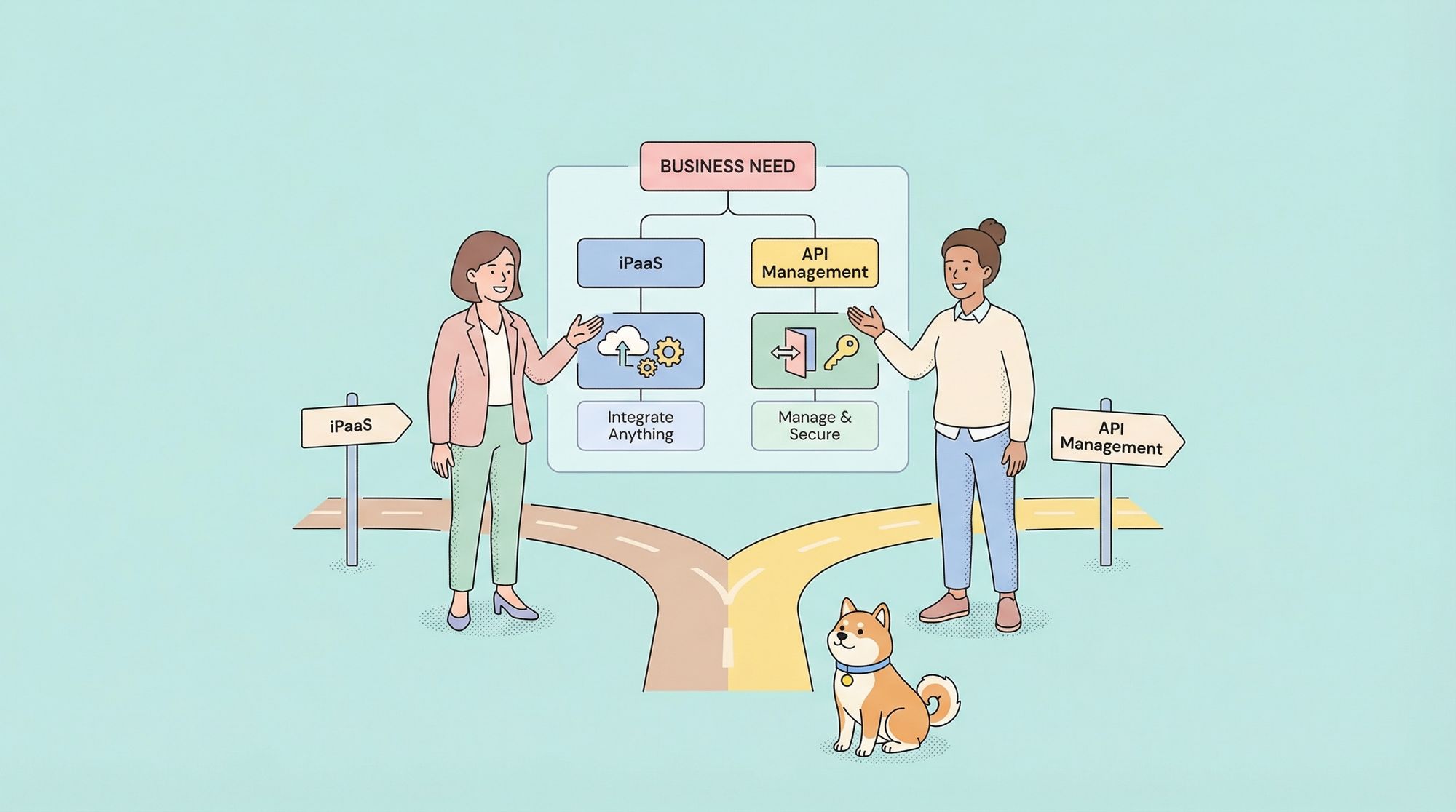
A: An API gateway handles traffic management and security for API requests, while an API portal is the user-facing hub for discovery, onboarding, and documentation.
Q: Can I use Apidog to power my API portal?
A: Absolutely. Apidog’s support for online documentation, versioning, and testing tools makes it ideal for powering a modern, interactive API portal.
Conclusion: Unlock the Power of Your APIs with an API Portal
An API portal is the cornerstone of any successful API program. It transforms your APIs into discoverable, consumable products, accelerates onboarding, and builds an engaged developer community. Whether you’re a startup opening your first API or an enterprise with a vast API catalog, investing in an effective API portal will drive adoption, innovation, and business growth.
Ready to take your API strategy to the next level? Consider leveraging tools like Apidog to create, document, and publish your APIs in a best-in-class API portal today.