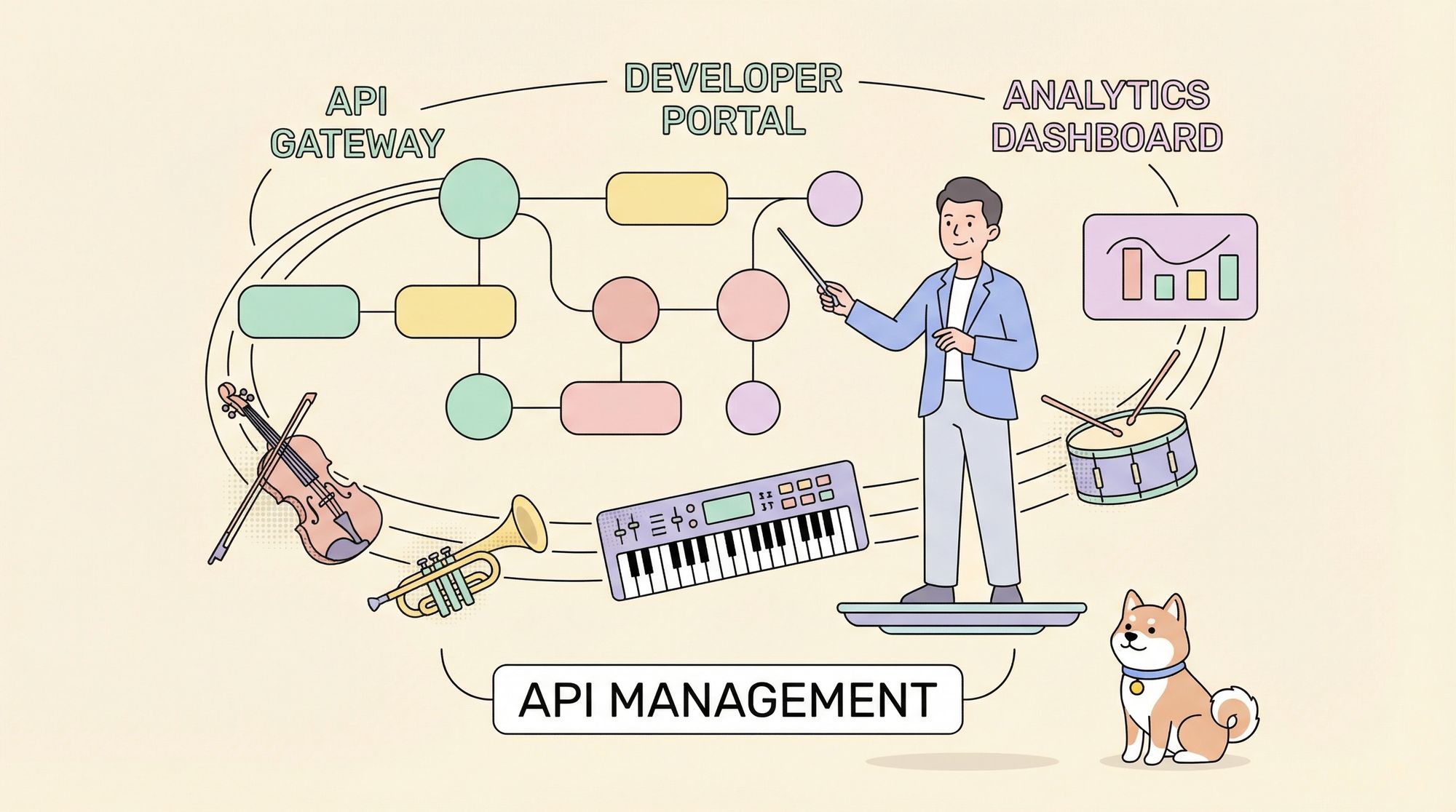
APIs are the backbone of modern software, connecting systems, enabling digital business, and powering your favorite apps. But as organizations rely on more APIs, chaos can quickly follow—unless you have a plan. That’s where API management comes in. So, what is API management, and how does it transform the way businesses handle their APIs? This comprehensive guide unpacks everything you need to know.
What is API Management?
At its core, API management is the process of designing, publishing, securing, monitoring, and analyzing APIs in a scalable, reliable, and efficient way. It involves a set of tools, policies, and practices that help organizations:
- Control who accesses their APIs and how
- Monitor API usage and performance
- Secure APIs from unauthorized access and abuse
- Document and communicate API details to developers
- Scale API infrastructure to meet demand
In essence, API management ensures that APIs are not just created, but are also governed, maintained, and optimized throughout their lifecycle. The goal? To maximize API value, minimize risk, and foster innovation.
Why Does API Management Matter?
As APIs multiply within businesses, so do the challenges:
- Security Risks: APIs can be attack vectors if not protected
- Version Sprawl: Multiple API versions can confuse consumers
- Performance Issues: Unmanaged APIs can lead to downtime or poor user experiences
- Developer Friction: Lack of documentation or visibility slows down development
API management addresses all these pain points, making it a business-critical function for any organization that relies on APIs for internal processes, customer integrations, or third-party partnerships.
Core Components of API Management
API management is not a single activity, but a coordinated set of tasks. Let’s break down the key components:
1. API Gateway
An API gateway acts as the front door for all API traffic. It manages, routes, and authenticates incoming requests, shielding your backend services from direct exposure.
2. Security and Access Control
Securing APIs is non-negotiable. API management includes:
- Authentication (who are you?) and authorization (what can you access?)
- Rate limiting to prevent abuse or denial-of-service attacks
- Encryption of data in transit
3. Analytics and Monitoring
With proper API management, you can track:
- Usage patterns (who’s using what, and how much)
- Performance metrics (latency, errors, uptime)
- Trends that inform business decisions
4. Documentation and Developer Portal
Clear, interactive documentation is vital. API management platforms often include developer portals where users can:
- Explore API endpoints
- Read usage guides
- Try out requests directly in the browser
5. Lifecycle Management
From design and testing to deployment and retirement, API management covers every stage. This ensures APIs remain relevant, secure, and high-performing as they evolve.
What is API Management in Practice?
Let's see what is API management with practical scenarios:
Example 1: E-commerce Platform
An online retailer exposes APIs for inventory, orders, and shipping. To offer partnerships with third-party logistics, they must:
- Authenticate external partners
- Monitor which APIs are most used
- Limit requests to prevent overload
API management provides the necessary control, security, and analytics to safely grow their platform.
Example 2: Mobile App Backend
A popular mobile app relies on an API to fetch user data and content. The development team needs to:
- Roll out new API versions without breaking older clients
- Provide clear docs for external developers to build integrations
- Detect and respond to spikes in traffic
Here, API management tools help streamline versioning, auto-generate documentation, and alert teams to performance issues.
Example 3: FinTech Compliance
A financial services company must comply with strict regulations. API management ensures:
- Only authorized applications access sensitive data
- All API calls are logged for audits
- Security policies (like encryption) are enforced consistently
Key Benefits of API Management
Still wondering what is API management good for? The benefits are tangible:
- Enhanced Security: Granular control over who accesses what, and how
- Improved Performance: Caching, load balancing, and monitoring keep APIs fast
- Developer Productivity: Interactive docs and self-service portals accelerate onboarding
- Business Agility: Rapidly launch, update, or retire APIs as needs change
- Monetization: Track usage and set up billing for API consumers
How API Management Tools Work
Modern API management is powered by robust platforms (like Apidog) that combine all the key functions:
- Visual API Design: Easily define endpoints, parameters, and responses
- Mocking & Testing: Simulate API behavior and test integrations before going live
- Automated Documentation: Instantly generate and publish interactive docs
- Monitoring Dashboards: Real-time insights into API health and usage
These platforms often integrate with CI/CD pipelines, version control, and cloud infrastructure, making API management a seamless part of your dev workflow.
API Management Lifecycle: From Creation to Retirement
Effective API management spans the entire API lifecycle:
1. Design
- Define endpoints, data models, and security requirements.
- Use tools (like Apidog) for collaborative, spec-driven design.
2. Development & Testing
- Build and test APIs, often using mock servers to simulate responses.
- Validate functionality before exposing to real users.
3. Deployment & Versioning
- Launch APIs to production.
- Manage backward compatibility with clear versioning practices.
4. Monitoring & Analytics
- Track uptime, performance, and usage.
- Set alerts for anomalies or breaches.
5. Maintenance & Retirement
- Update APIs as business needs change.
- Sunset outdated versions with minimal disruption.
How Apidog Simplifies API Management
If you’re searching for an all-in-one solution for API management, Apidog is built to help:
- Spec-Driven Design: Create and organize APIs visually, from first draft to production.
- Instant Mocking: Generate mock endpoints to accelerate frontend and backend parallel development.
- Collaborative Docs: Publish live, interactive documentation for teams and external partners.
- Testing & Requests: Debug, test, and monitor APIs directly in an intuitive interface.
With Apidog, teams centralize API management, reduce errors, and ship integrations faster.
Common API Management Challenges (And Solutions)
Challenge: API sprawl and inconsistent documentation
Solution: Use a centralized API management tool to organize and standardize your APIs.
Challenge: Security vulnerabilities in public or partner APIs
Solution: Enforce authentication, authorization, and rate limiting via your API management platform.
Challenge: Managing multiple API versions
Solution: Use built-in version control and deprecation policies to ensure smooth transitions.
Best Practices for Successful API Management
- Always document: Make sure every API change is reflected in your docs.
- Automate security: Use automated tools to enforce policies and monitor threats.
- Monitor everything: Set up real-time dashboards and alerts.
- Involve stakeholders: Let devs, QA, and ops collaborate on API design and management.
- Leverage modern platforms: A solution like Apidog brings all functions together for streamlined API management.
Conclusion: Mastering What is API Management
To sum up, API management is more than just handling endpoints—it’s about putting the right controls, documentation, security, and analytics in place to turn APIs into reliable business assets. With the right approach and tools (like Apidog), organizations can scale their APIs, empower developers, and innovate confidently.
Next Steps:
- Start evaluating your current API landscape
- Identify gaps in security, documentation, or monitoring
- Try a modern API management platform like Apidog to experience the benefits firsthand