API Discovery is rapidly becoming a cornerstone of modern software development and security. With the explosion of APIs in today’s digital infrastructure, knowing exactly which APIs exist, where they’re located, and how they’re used is more critical than ever. In this definitive guide, we’ll dive deep into what API Discovery means, why it matters, how it works, and how platforms like Apidog can help your organization achieve full API visibility.
What is API Discovery?
API Discovery is the systematic process of finding, cataloging, and documenting every API endpoint within an organization’s technology ecosystem. This includes both internal and external APIs—whether actively used, legacy, third-party, or even shadow (undocumented or forgotten) APIs.
At its core, API Discovery answers crucial questions:
- Which APIs exist in our organization?
- Where are these APIs located?
- Who owns and uses these APIs?
- What data and functions do they expose?
API Discovery is not a one-time event, but a continuous practice, evolving as new APIs are created, old ones are deprecated, and systems grow more complex.
Why API Discovery Matters
1. Security and Risk Management
Undiscovered APIs—so-called “shadow APIs” or “zombie APIs”—pose significant security risks. Attackers often target these endpoints because they’re unmonitored and frequently lack proper authentication or up-to-date security patches. API Discovery helps you proactively identify and secure every endpoint, minimizing your attack surface.
2. Compliance and Governance
Regulations like GDPR, HIPAA, and PCI-DSS require organizations to know where sensitive data resides and flows. API Discovery ensures you have an accurate inventory, making compliance audits smoother and reducing the risk of accidental data exposure.
3. Operational Efficiency
When developers have a clear map of available APIs, they avoid duplicating functionality and can integrate existing services faster. API Discovery reduces wasted effort, speeds up onboarding, and helps teams make informed architectural decisions.
4. Innovation and Collaboration
A well-documented API inventory encourages internal and external developers to leverage existing services, driving innovation. API Discovery is the first step toward building a thriving API ecosystem.
Key Components of API Discovery
Cataloging Endpoints
At the heart of API Discovery is the catalog—an up-to-date, searchable inventory of all API endpoints. This includes:
- Endpoint URLs (e.g.,
/api/v1/orders) - Supported Methods (GET, POST, PUT, DELETE, etc.)
- Parameters and Payloads (query, path, body data)
- Authentication Requirements
- Data Sensitivity Labels (e.g., handles PII, PCI, or PHI data)
- Ownership and Contact Information
Real-Time and Continuous Discovery
APIs are created, modified, and deprecated constantly. Effective API Discovery involves ongoing monitoring and scheduled scans to keep the inventory current.
Documentation and Metadata
API Discovery isn’t just about finding endpoints—it’s also about documenting their purpose, usage, and technical details. This documentation empowers both humans and automated systems to understand and interact with APIs correctly.
Integration with API Management
API Discovery feeds into broader API management strategies, enabling organizations to apply policies, monitor usage, and enforce security controls across their entire API landscape.
How Does API Discovery Work?
Automated API Discovery Methods
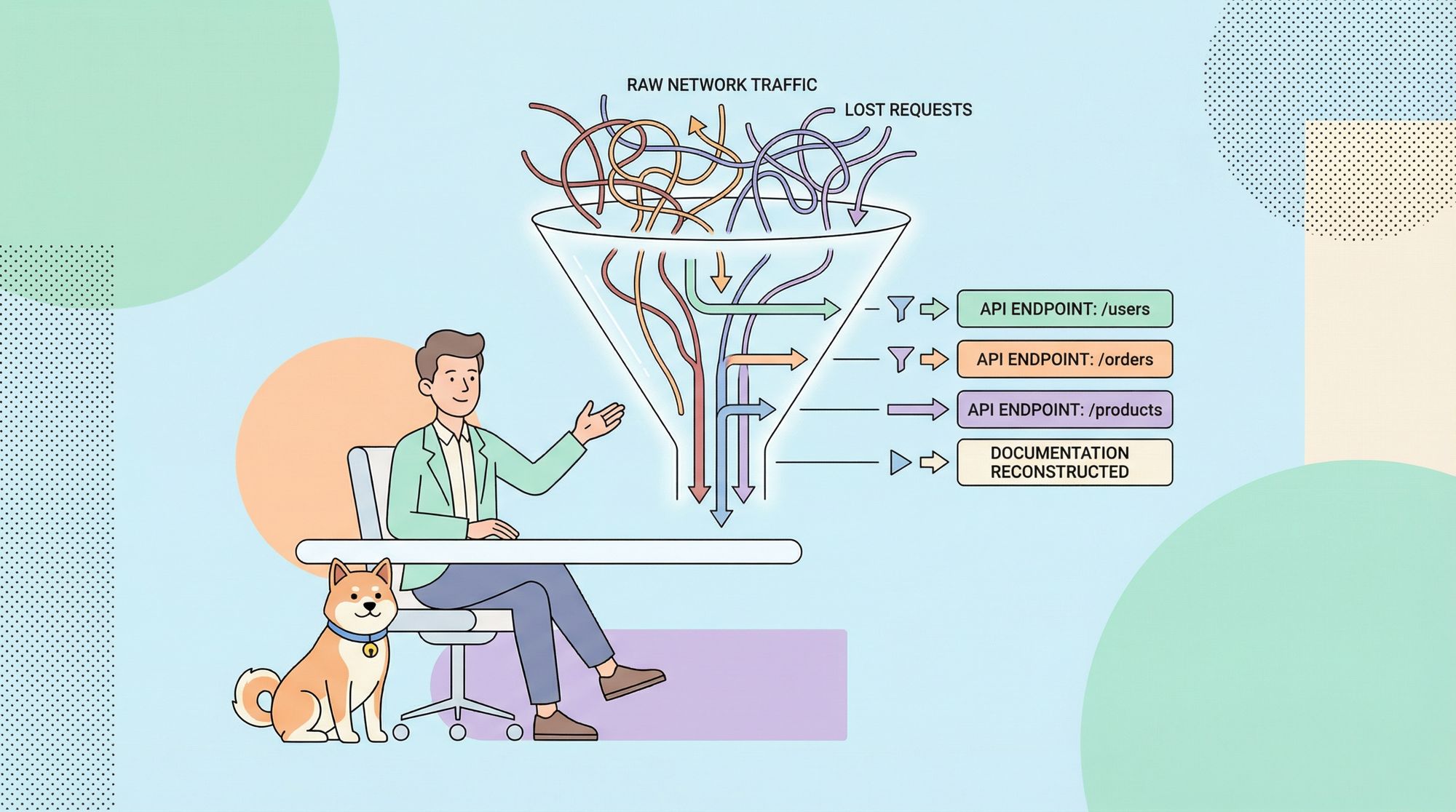
1. Network Traffic Analysis
- Tools analyze network logs or live traffic to identify unique API endpoints being accessed.
- Useful for discovering APIs in production, including undocumented or shadow APIs.
2. Codebase Scanning
- Static analysis tools parse source code and configuration files to extract API routes and definitions.
- Ideal for mapping APIs during development and CI/CD pipelines.
3. Asset and Infrastructure Scanning
- Scans cloud infrastructure (e.g., AWS API Gateway, Azure API Management) to find exposed endpoints.
- Discovers APIs deployed outside standard processes.
4. Importing Existing Documentation
- Import OpenAPI (Swagger), Postman collections, or other API specs to automatically populate the inventory.
- Tools like Apidog excel at this, letting you quickly build an API catalog from existing docs.
Manual API Discovery
- Teams can manually register and document APIs as part of their development workflow.
- This is especially effective when combined with automated discovery for validation and completeness.
Shadow, Zombie, and Rogue APIs: The Hidden Threats Uncovered by API Discovery
API Discovery is critical for rooting out:
- Shadow APIs: APIs unknown to IT/security, often created without standard approval or documentation.
- Zombie APIs: Deprecated or outdated endpoints that are still online and potentially vulnerable.
- Rogue APIs: APIs deliberately hidden or misused, sometimes by malicious actors.
By surfacing these endpoints, API Discovery allows organizations to close security gaps, retire obsolete APIs, and regain control over their digital landscape.
Best Practices for Mastering API Discovery
1. Make API Discovery Continuous
APIs change constantly. Schedule regular scans and integrate API Discovery into your DevOps pipeline to catch new endpoints as they’re created.
2. Leverage Automated Tools
Manual tracking is not scalable. Use platforms like Apidog that support both automated imports (from Swagger, Postman, etc.) and manual registration, ensuring your API inventory is always up to date.
3. Integrate with Security and Compliance Workflows
Connect API Discovery outputs with your security tools to enable monitoring, access control, and vulnerability management across all APIs.
4. Foster a Culture of Documentation
Make comprehensive API documentation a standard part of the development process. Tools like Apidog make it easy to generate and update online documentation, so your API catalog never falls out of sync.
5. Assign Ownership
Every API should have an owner responsible for its maintenance, security, and documentation. API Discovery should track and display ownership metadata.
Real-World API Discovery Examples
Example 1: Preventing Data Breaches
A financial services company was breached via an old, undocumented API endpoint that allowed attackers to bypass authentication. After implementing continuous API Discovery, all shadow and zombie APIs were surfaced, secured, or decommissioned, closing the vulnerability.
Example 2: Accelerating Developer Onboarding
A SaaS provider used Apidog to import all their existing API definitions and generate interactive online docs. New developers could now discover available APIs quickly, reducing onboarding time from weeks to days.
Example 3: Meeting Compliance Requirements
A healthcare organization needed to demonstrate data flow control for HIPAA compliance. They used API Discovery tools to build a complete inventory, documenting which APIs handled sensitive patient data and ensuring appropriate access controls were in place.
How Apidog Enhances API Discovery
Apidog offers a robust suite of features designed to make API Discovery effortless and comprehensive:
- Automated Imports: Instantly import API definitions from Swagger/OpenAPI, Postman, and other formats to jumpstart your discovery process.
- Centralized Catalog: Organize all your APIs in a single, searchable workspace, making it simple to track endpoints, parameters, and documentation.
- Online Documentation Generation: Easily publish and maintain interactive API docs, ensuring everyone has access to the latest information.
- Mocking and Testing: Use Apidog’s built-in mocking and request tools to validate discovered APIs and ensure they behave as expected.
With Apidog, API Discovery becomes an integrated part of your API development lifecycle—not a separate, manual chore
API Discovery in Action: Sample Workflow
openapi: 3.0.0
info:
  title: Orders API
  version: 1.0.0
paths:
  /orders:
    get:
      summary: List all orders
      responses:
        '200':
          description: A list of orders.
    post:
      summary: Create a new order
      requestBody:
        content:
          application/json:
            schema:
              $ref: '#/components/schemas/Order'
      responses:
        '201':
          description: Order created.
By importing the above spec into Apidog, you instantly discover both endpoints (GET /orders and POST /orders), their required parameters, and response schemas. Apidog then generates interactive documentation and allows further testing or mocking—all from this one-time discovery event.
Conclusion: Take Control of Your API Ecosystem with API Discovery
API Discovery is no longer optional—it’s a necessity for any organization relying on APIs for products, services, or internal workflows. By uncovering every API endpoint, documenting key details, and integrating with security and compliance processes, you transform your APIs from a hidden liability to a strategic asset.
Platforms like Apidog make API Discovery fast, reliable, and scalable. Start building your API inventory today and lay the foundation for secure, efficient, and innovative API development.