As the API economy accelerates and organizations manage sprawling microservices, the need for the best API catalog tools has never been greater. This comprehensive guide will help you understand what API catalog tools are, why they matter, the features that set the best apart, and which platforms lead the market in 2026.
What Are API Catalog Tools?
API catalog tools are specialized platforms designed to centralize, organize, and document all APIs within an organization. Think of them as a searchable, dynamic library that offers a single source of truth for APIs, their documentation, ownership information, metadata, and lifecycle status.
In today's complex IT environments, APIs are created across multiple teams, technologies, and business units. Without a robust API catalog tool, organizations risk duplication, inconsistent standards, "shadow APIs," and a tangled web of undocumented endpoints. The best API catalog tools empower developers, architects, and business stakeholders to:
- Discover existing APIs easily
- Avoid redundant development
- Ensure standardization and governance
- Streamline onboarding and integration
- Support regulatory compliance with auditable records
Why Do the Best API Catalog Tools Matter in 2026?
The shift toward microservices, event-driven design, and multi-cloud architectures has resulted in an explosion of APIs. While this flexibility drives innovation, it also creates challenges:
- API Sprawl: APIs proliferate across gateways, teams, and cloud environments, making them hard to track.
- Redundancy and Inefficiency: Teams often rebuild similar APIs due to poor discoverability.
- Security Risks: Uncataloged or "shadow" APIs can pose security and compliance threats.
- Compliance and Auditing: Regulated industries must document API lineage, ownership, and policy adherence.
The best API catalog tools address these challenges by providing real-time, automated cataloging, robust search, and governance features. They act as the control center for visibility, quality, and compliance—critical as organizations scale their API ecosystems into the hundreds or thousands.
Key Features of the Best API Catalog Tools
When evaluating the best API catalog tools, look for these essential features:
1. Unified Discovery and Search
A strong API catalog tool offers powerful, federated search capabilities across REST, SOAP, GraphQL, and event APIs. It should support filtering by business domain, version, owner, and more.
2. Automated Documentation and Integration
Top tools automate the ingestion of API specifications (OpenAPI, Swagger, RAML, etc.) and stay in sync with source control and API gateways. Many offer integrations with developer portals, CI/CD tools, and ticketing systems.
3. Lifecycle and Governance Management
The best solutions track API lifecycle stages (design, development, deprecated), enforce governance policies, and provide role-based access. Some offer AI-driven documentation and compliance checks.
4. Versioning and Change Management
Handling multiple API versions is essential for backward compatibility. Leading catalog tools provide clear version histories, changelogs, and deprecation tracking.
5. Collaboration and Insight
From crowdsourced documentation edits to comments and usage analytics, robust collaboration tools ensure APIs remain accurate and useful. Usage metrics help identify popular APIs and those needing attention.
Top Best API Catalog Tools for 2026
Below is a curated list of the best API catalog tools driving value for organizations of all sizes in 2026. Each excels in cataloging, discoverability, governance, and integration.
1. Apidog
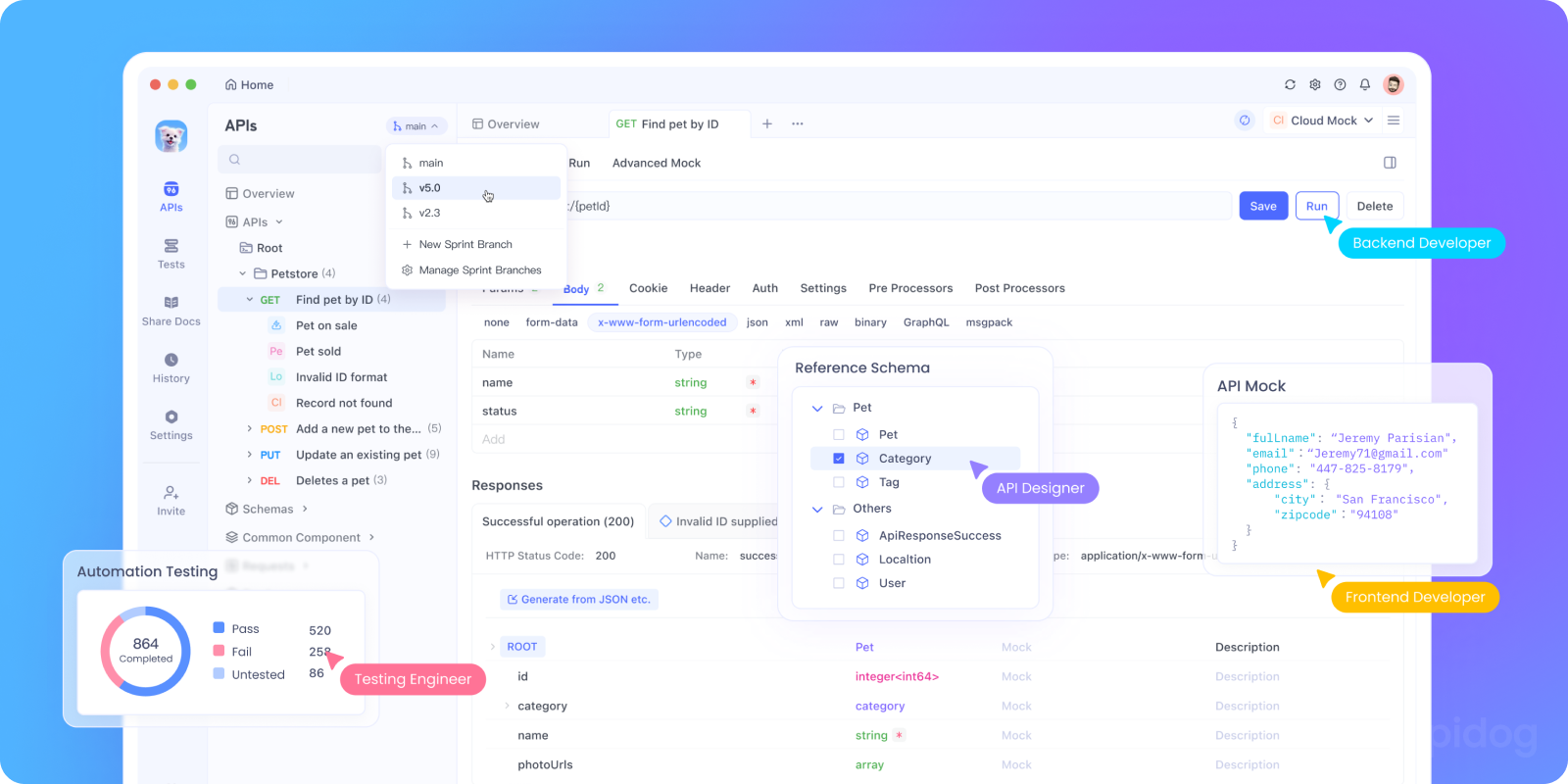
Apidog is an all-in-one API development platform that excels at cataloging, designing, and documenting APIs. It supports importing specs from Swagger, Postman, and other formats, automatically generates interactive documentation, and keeps your catalog up-to-date as APIs evolve.
Key Features:
- Centralized API catalog with rich metadata and search
- One-click import from popular formats and gateways
- Live online documentation with instant updates
- Mocking, debugging, and testing tools integrated
- Intuitive UI for both technical and non-technical users
Apidog is ideal for teams seeking a seamless blend of API cataloging, documentation, and lifecycle management—helping organizations prevent duplication, enforce standards, and boost collaboration.
2. DigitalAPI
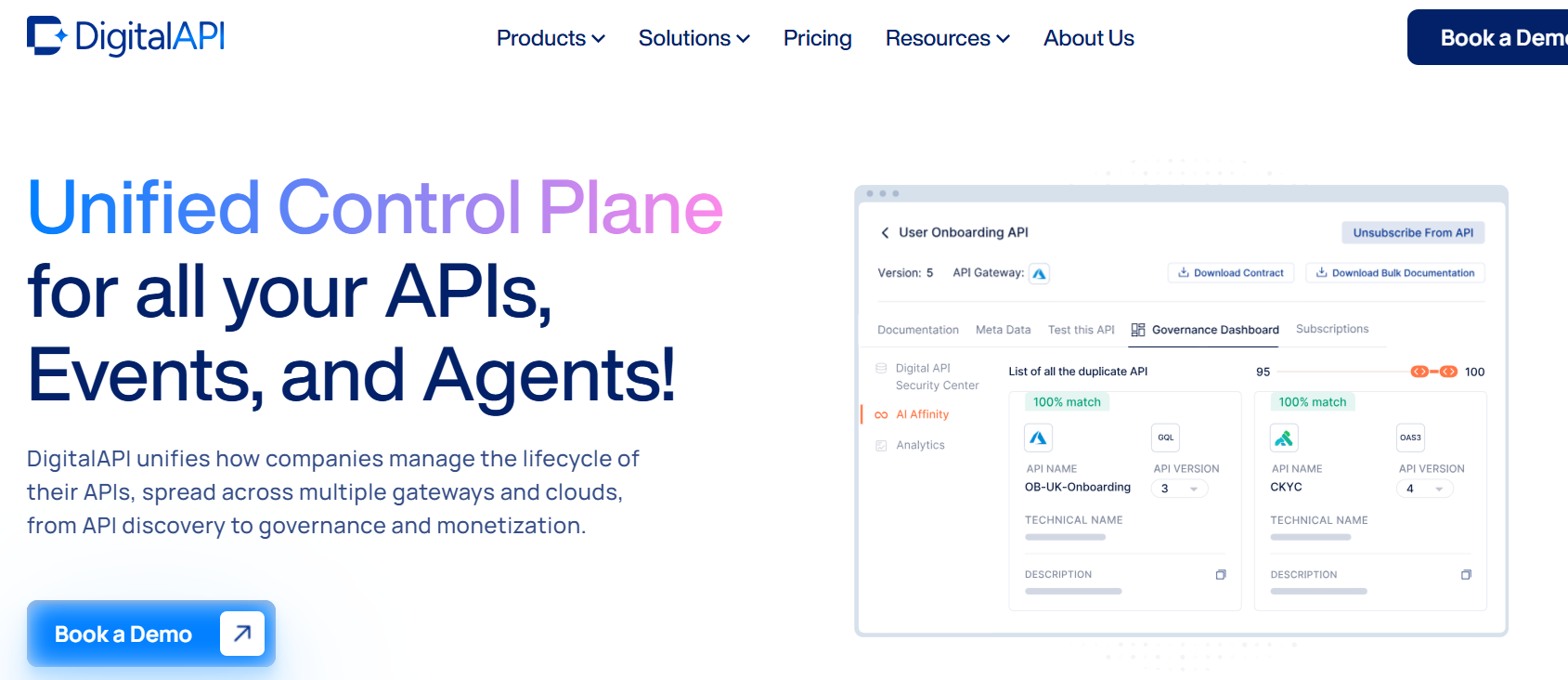
Recognized by Gartner, DigitalAPI unifies distributed API estates into a single, authoritative catalog. Features include multi-gateway aggregation, normalization of OpenAPI definitions, lifecycle and policy management, and federated discovery.
Best for: Large enterprises with complex, multi-cloud API environments.
3. RapidAPI Enterprise Hub
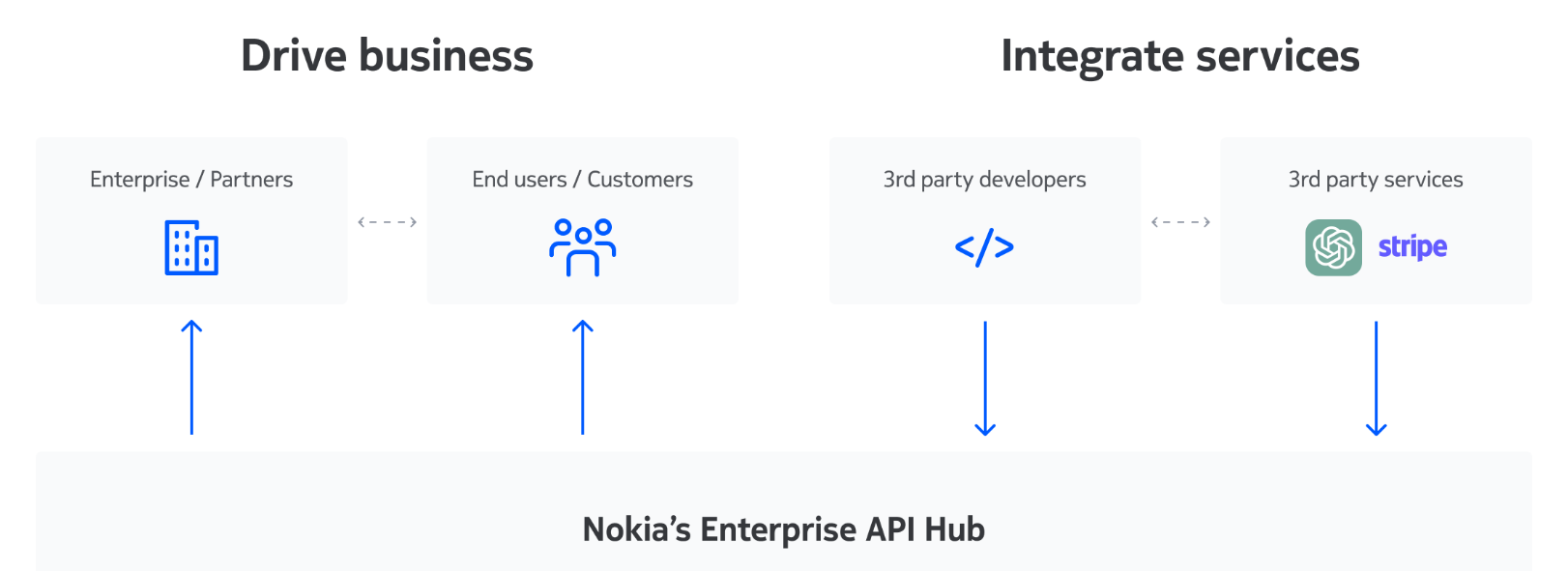
RapidAPI Enterprise Hub provides a private marketplace for internal and external APIs, with advanced cataloging, analytics, and access controls. Its robust search and subscription management make it a favorite for enterprise-scale API portfolios.
Best for: Organizations looking to commercialize or securely share APIs across business units.
4. Collibra
While primarily a data governance platform, Collibra offers API cataloging capabilities with lineage tracking and policy enforcement—ideal for regulated industries and organizations emphasizing data compliance.
5. Alation
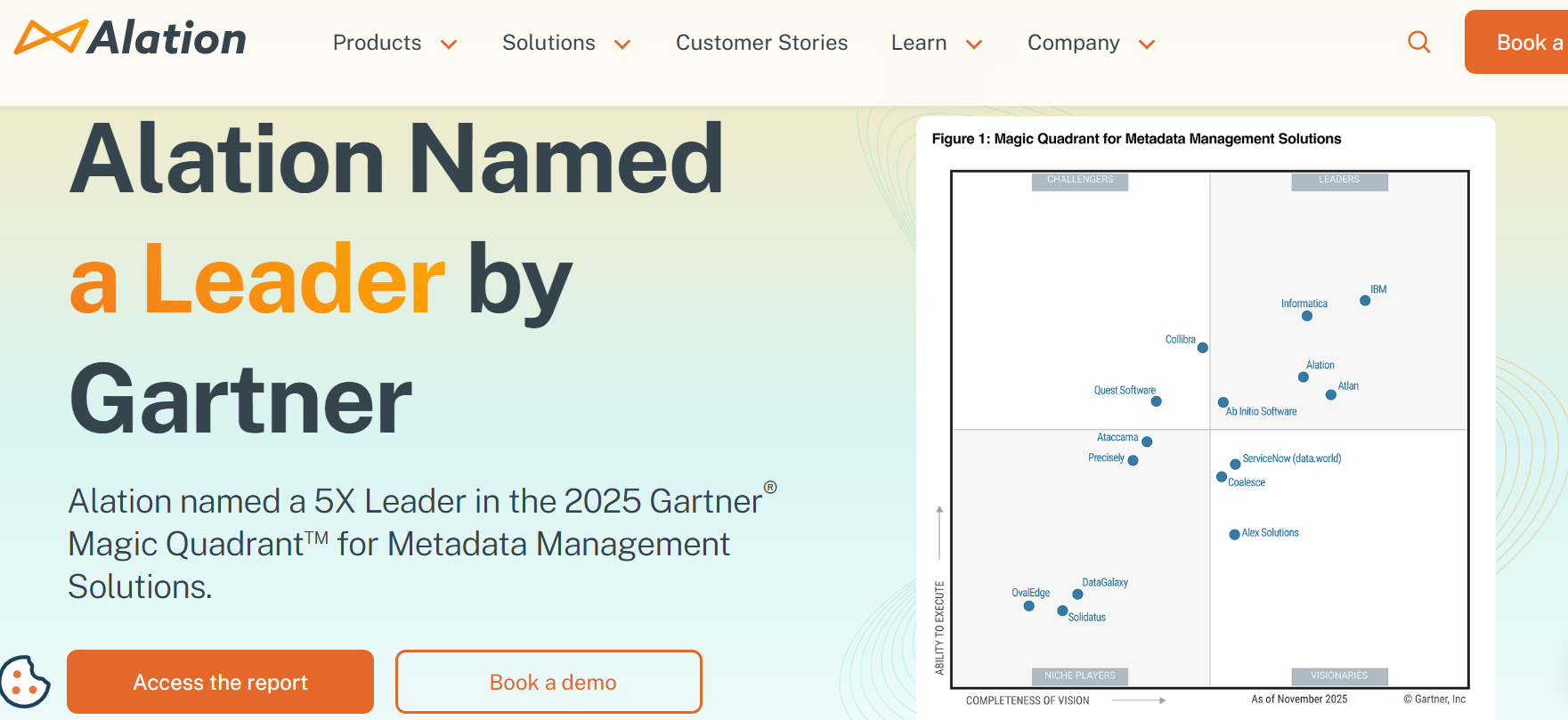
Alation provides an API catalog as part of its broader data intelligence suite, focusing on discoverability, business metadata, and collaborative documentation.
6. Atlan

Atlan is a modern data catalog tool with support for API discovery, metadata management, and lineage—serving data-driven enterprises seeking tight integration between APIs and data assets.
7. MuleSoft API Catalog
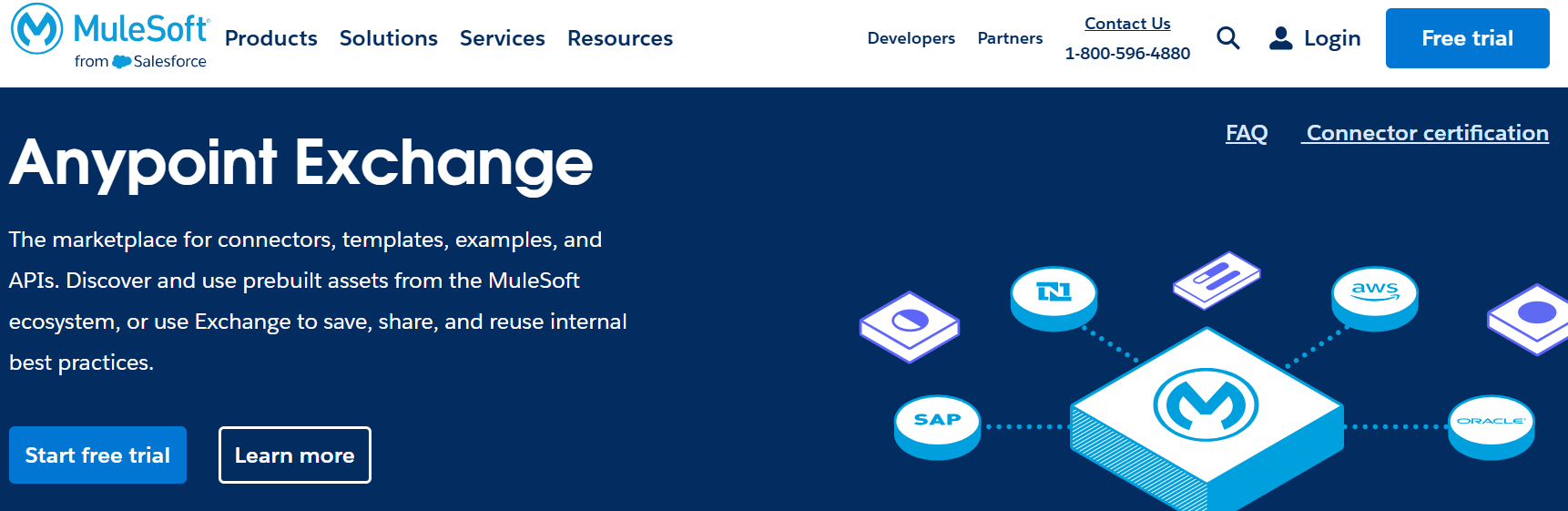
MuleSoft Anypoint Exchange provides centralized cataloging, versioning, and governance for APIs built and managed within the MuleSoft ecosystem.
Practical Examples: How the Best API Catalog Tools Are Used
Example 1: Accelerating Onboarding and Integration
A fintech organization adopts Apidog as its API catalog tool. By importing all existing APIs and generating up-to-date documentation, new developers can quickly discover and reuse APIs. This reduces onboarding time from weeks to days, eliminates redundant development, and ensures consistent standards.
Example 2: Enforcing Governance and Compliance
A healthcare provider uses DigitalAPI to catalog APIs across multiple gateways. Automated policy checks and lifecycle tracking ensure only compliant APIs are published, and all endpoints are auditable—crucial for HIPAA compliance.
Example 3: Supporting Multi-Cloud and Hybrid Environments
A global retail company leverages RapidAPI Enterprise Hub to aggregate APIs across AWS, Azure, and on-premise systems. The unified catalog streamlines cross-team collaboration and simplifies partner integrations.
Example 4: Bridging Data and API Catalogs
A data-driven enterprise integrates Collibra’s API cataloging with its data governance program. This provides end-to-end visibility from data source to API consumer, ensuring accurate metadata and regulatory compliance.
How Apidog Stands Out Among the Best API Catalog Tools
Apidog is not just an API design or testing platform—it is a modern API catalog tool that addresses the full lifecycle from cataloging and documentation to testing, mocking, and governance. Apidog’s real-time documentation, robust import/export capabilities, and intuitive UI make it a top choice for teams who want their API catalog to be more than a static registry.
Why choose Apidog as your API catalog tool?
- Rapid onboarding: Import existing APIs in seconds, generate interactive docs automatically.
- Collaboration: Share APIs across teams, capture feedback, and keep everyone on the same page.
- Governance: Enforce standards, track changes, and ensure compliance—all from a single platform.
Choosing the Best API Catalog Tool for Your Organization
Selecting the best API catalog tool depends on your size, architecture, and compliance needs. Consider:
- Integration with your current API gateways and developer tools
- Support for all API types (REST, SOAP, GraphQL, events)
- Automation for documentation and lifecycle management
- Security, access controls, and compliance features
- User experience and collaboration capabilities
Platforms like Apidog offer a balance of powerful features, ease of use, and flexibility, making them suitable for startups and enterprises alike.
Conclusion: Take Control with the Best API Catalog Tools
As APIs become the backbone of digital business, the best API catalog tools are essential for taming sprawl, enforcing standards, and accelerating innovation. Whether you're a growing SaaS business or a regulated enterprise, investing in the right API catalog tool will pay dividends in efficiency, security, and developer happiness.
Ready to take your API management to the next level? Explore leading solutions like Apidog to centralize your API catalog, simplify documentation, and empower your teams to build the future—one well-managed API at a time.