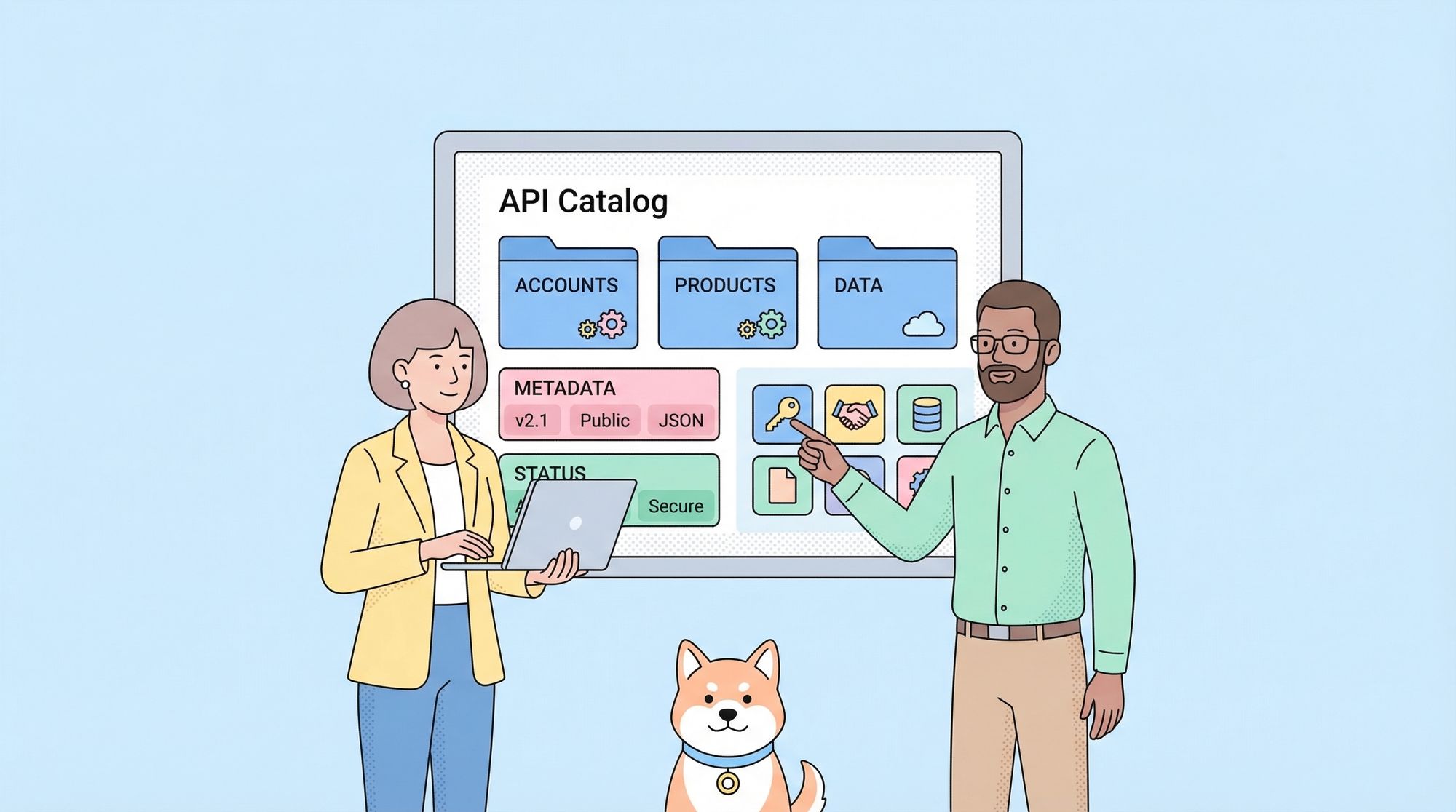
An API catalog is a centralized, searchable repository that documents and organizes all the APIs within an organization’s ecosystem. It serves as a single source of truth for information about internal, partner, and external APIs, including their metadata, specifications, documentation, usage policies, and lifecycle status. By consolidating API information in one place, an API catalog enables teams to discover, understand, manage, and reuse APIs efficiently.
As organizations increasingly rely on APIs to connect systems, enable integrations, and drive digital products, the risk of “API sprawl” grows. Without a system to catalog APIs, teams struggle with duplicated efforts, lost documentation, inconsistent standards, and security vulnerabilities. An API catalog addresses these challenges by making APIs discoverable, manageable, and reusable—laying the foundation for scalable API programs.
Why Does an API Catalog Matter?
Having an API catalog is not just a best practice; it’s a necessity for modern software development and API management. Here’s why:
- Centralized Discovery: With hundreds or thousands of APIs in large organizations, finding the right API for a project can be daunting. An API catalog makes it easy to search and filter APIs by functionality, version, or owner.
- Enhanced Reusability: By cataloging existing APIs, teams can avoid duplicating work and promote API reuse, increasing development speed and reducing costs.
- Improved Governance: An API catalog provides visibility into security, compliance, and lifecycle status, helping organizations maintain standards and reduce risks.
- Streamlined Collaboration: Both provider and consumer teams benefit from a shared understanding of available APIs, their documentation, and how to use them.
- Supports API-First Initiatives: Centralizing API information accelerates the adoption of API-first development, microservices, and digital transformation.
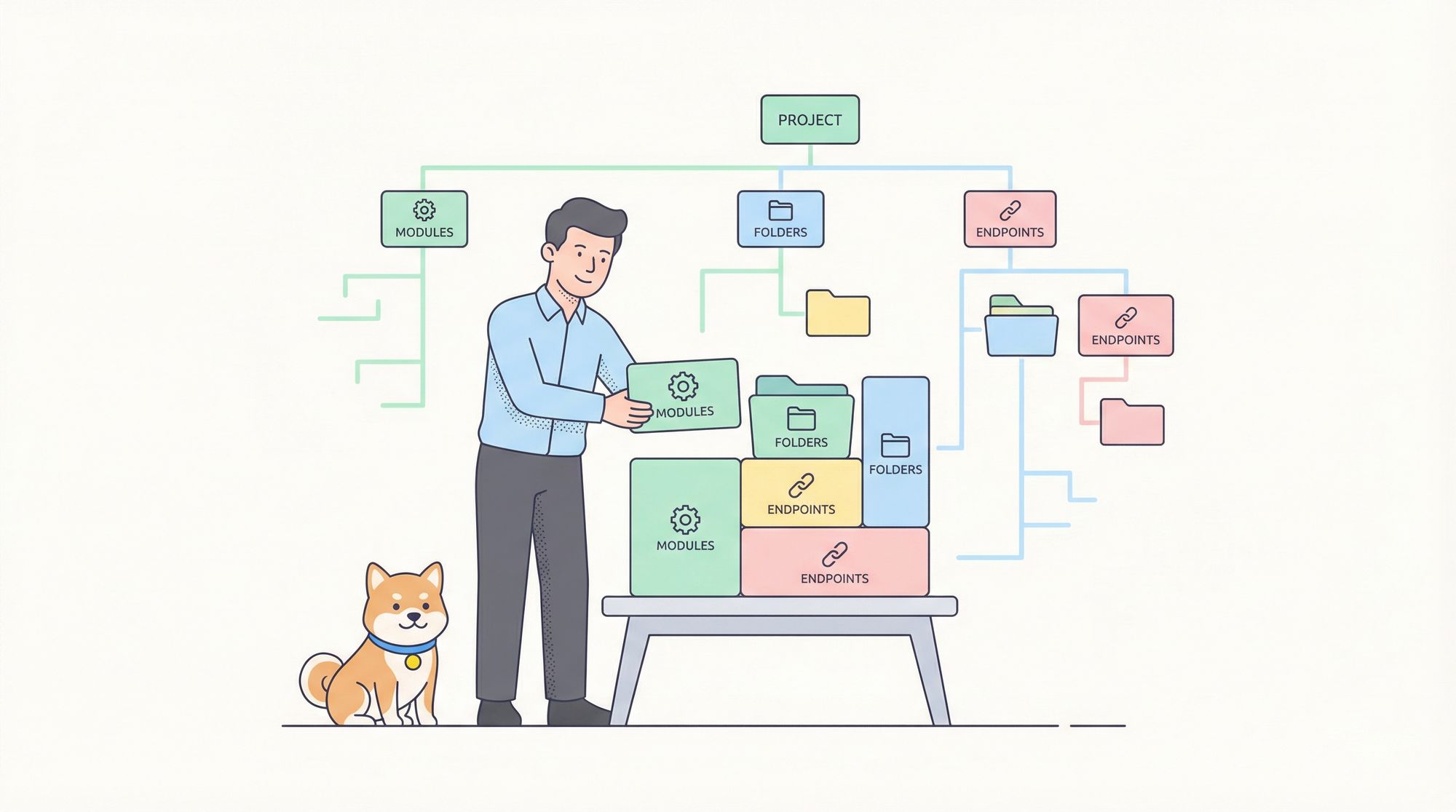
Key Features of an Effective API Catalog
A modern API catalog offers more than just a list of endpoints. It should provide:
1. Comprehensive Metadata
An API catalog stores essential metadata for each API, such as:
- API name and description
- Owner and contact information
- Versioning details
- Supported protocols (REST, SOAP, GraphQL, etc.)
- Security requirements
- Status (published, deprecated, retired)
- Associated documentation and usage guides
2. Search and Discovery
A powerful API catalog offers advanced search and filtering capabilities, allowing users to locate APIs based on keywords, tags, business domains, or technical attributes.
3. Documentation Integration
An API catalog integrates with API documentation, providing direct access to usage instructions, code samples, and interactive testing tools. With platforms like Apidog, generating and maintaining up-to-date documentation for each API in your catalog is seamless.
4. Lifecycle Management
A robust API catalog tracks the lifecycle of each API—whether it’s in design, development, testing, production, or deprecation. This enables better planning, change management, and communication with stakeholders.
5. Governance and Compliance
API catalogs often include features for setting access policies, tracking compliance with organizational standards, and managing security credentials.
6. Integration and Import/Export Tools
For organizations with APIs spread across multiple platforms, the ability to import API definitions (from Swagger/OpenAPI, Postman, etc.) and export catalog data is crucial. Apidog, for example, supports easy importing of external API definitions, helping teams rapidly build their API catalog.
How Does an API Catalog Work?
An API catalog typically operates as a web-based platform or as part of an API management suite. Here’s how it fits into your API workflow:
1. Registration: APIs are registered in the catalog, either manually or through automated imports.
2. Metadata Enrichment: Owners fill in metadata, add documentation, and set access policies.
3. Publication: APIs become discoverable to relevant teams or the entire organization.
4. Discovery: Developers search the API catalog to find APIs that match their needs.
5. Consumption: Consumers use documentation, SDKs, and test tools to integrate with APIs.
6. Lifecycle Updates: As APIs evolve, their status and documentation are updated in the catalog.
API Catalog vs. API Developer Portal
It’s important to distinguish between an API catalog and an API developer portal. While both provide information about APIs, their purposes differ:
- API Catalog: Focuses on internal management, discovery, and governance of all APIs—often serving multiple internal audiences, including developers, architects, and compliance teams.
- API Developer Portal: Geared toward external consumers, offering self-service access, onboarding, and interactive documentation for published APIs.
In many organizations, the API catalog is used as the authoritative source for all APIs, while the developer portal exposes select APIs (often productized or public-facing) to external developers.
Benefits of an API Catalog
Implementing an API catalog brings tangible benefits to organizations of any size:
- Faster Development Cycles: Developers quickly find and reuse APIs, accelerating delivery.
- Reduced Duplication: Cataloging ensures teams don’t build redundant APIs with overlapping functionality.
- Consistent Security: Centralized visibility allows for better enforcement of security and compliance policies.
- Effective Governance: Stakeholders can monitor API usage, track deprecation, and maintain documentation.
- Enhanced Collaboration: Shared knowledge promotes teamwork between development, operations, and business units.
- Easier Onboarding: New team members or partners can familiarize themselves with available APIs through the catalog.
- Supports Innovation: By surfacing reusable assets, an API catalog enables rapid experimentation and innovation.
Building and Maintaining an API Catalog with Apidog
Apidog is a spec-driven API development platform that streamlines API design, documentation, and testing—making it an excellent choice for building and maintaining your API catalog.
Key Apidog Features for API Catalog Management:
- Easy API Import: Quickly import existing API definitions (Swagger, Postman, etc.) to populate your catalog.
- Rich Metadata and Documentation: Define detailed API information, usage examples, and generate interactive online documentation for each API in your catalog.
- Mocking and Testing: Enable rapid prototyping and testing directly from your API catalog entries.
- Lifecycle Tracking: Update API status and track changes, ensuring your catalog stays current.
- Collaboration Tools: Share API information across teams and manage access as needed.
By leveraging Apidog, organizations can ensure their API catalog remains accurate, comprehensive, and actionable—empowering teams to build better software faster.
Real-World Applications of an API Catalog
Let’s explore practical scenarios where an API catalog delivers value:
Example 1: Preventing API Duplication in a Large Enterprise
A global fintech company struggles with teams building similar APIs in isolation. By introducing an API catalog, they make all APIs discoverable, so developers can search for existing functionality before starting a new project. This saves time, reduces redundancy, and ensures consistency across services.
Example 2: Accelerating Onboarding in a SaaS Company
A SaaS provider uses an API catalog to document all internal and external APIs. New hires and partners are onboarded faster because they can browse the catalog, access up-to-date documentation, and test APIs interactively—reducing the learning curve and boosting productivity.
Example 3: Streamlining Governance in a Regulated Industry
A healthcare organization must comply with strict security and privacy standards. Their API catalog tracks ownership, lifecycle state, and security policies for every API. This central visibility enables governance teams to audit APIs, manage deprecations, and enforce compliance efficiently.
Example 4: Powering Digital Transformation with Apidog
A retail company adopting microservices uses Apidog to design new APIs and automatically add them to their API catalog. With integrated documentation, testing, and collaboration tools, teams work more efficiently, and business stakeholders always know what APIs are available for new digital initiatives.
Best Practices for Creating and Managing an API Catalog
To maximize the value of your API catalog, follow these best practices:
- Register All APIs: Include every API—internal, external, partner, and legacy (REST, SOAP, GraphQL, etc.)—to avoid blind spots.
- Keep Metadata Up-to-Date: Assign ownership, versions, and lifecycle status, and update them as APIs evolve.
- Integrate Documentation: Link or embed comprehensive documentation, code samples, and usage guides.
- Automate Imports and Updates: Use tools like Apidog to automate catalog population and synchronization.
- Establish Governance: Define clear policies for API publication, access, and deprecation.
- Promote Discovery and Reuse: Regularly remind teams to consult the API catalog before developing new APIs.
- Monitor Usage and Feedback: Track which APIs are most used and gather feedback for continual improvement.
Conclusion: Take Control of Your API Ecosystem with an API Catalog
An API catalog is the backbone of a successful API strategy. It centralizes knowledge, promotes reuse, ensures governance, and accelerates innovation. Whether you’re dealing with a handful of APIs or managing thousands across global teams, an API catalog brings order and clarity to your API landscape.
Platforms like Apidog make it simple to build, enrich, and maintain your API catalog—empowering your teams to deliver secure, scalable, and innovative solutions faster.