API access management stands at the heart of secure, scalable, and reliable digital ecosystems. As APIs power everything from mobile apps to cloud platforms and IoT devices, controlling who or what can access your APIs—and what they can do—has become a mission-critical task for every organization. In this guide, we’ll define API access management, explain its core components, explore best practices, and provide practical examples to help you implement robust API security.
What is API Access Management?
API access management is the systematic process of authenticating, authorizing, and monitoring access to your APIs. Its purpose is to ensure that only legitimate, authorized users or systems can interact with your API endpoints, and that their actions are appropriately limited and auditable.
At its core, API access management answers critical questions:
- Who or what can access your APIs?
- Which parts of the API can they access?
- What operations can they perform?
- How is their access monitored and revoked if needed?
Why API Access Management Matters
Modern organizations expose APIs to a variety of consumers: internal teams, partners, third-party developers, and sometimes the public. Each of these consumers may require different levels of access. Without strong API access management, you risk:
- Unauthorized data exposure or data breaches
- Service abuse (e.g., DDoS attacks, resource exhaustion)
- Compliance violations (GDPR, HIPAA, etc.)
- Loss of business trust
API access management ensures that your APIs remain secure, reliable, and compliant with regulatory standards.
Key Components of API Access Management
1. Authentication
Authentication verifies the identity of users or systems attempting to access your APIs. Common authentication methods in API access management include:
- API keys
- OAuth 2.0 tokens
- JWT (JSON Web Tokens)
- Mutual TLS (mTLS)
Effective API access management requires you to choose an authentication strategy that matches your security needs and user experience requirements.
2. Authorization
Authorization determines what an authenticated user or system is allowed to do. In API access management, this typically involves:
- Scopes: Define specific permissions (e.g.,
read:user,update:profile) - Roles: Group permissions into roles (e.g., admin, user, guest)
- Policies: Set rules for access (e.g., time-based, IP-restricted)

A robust API access management solution allows fine-grained control over what actions each consumer can perform.
3. Access Control
Access control in API access management enforces your authentication and authorization policies at runtime. This may involve:
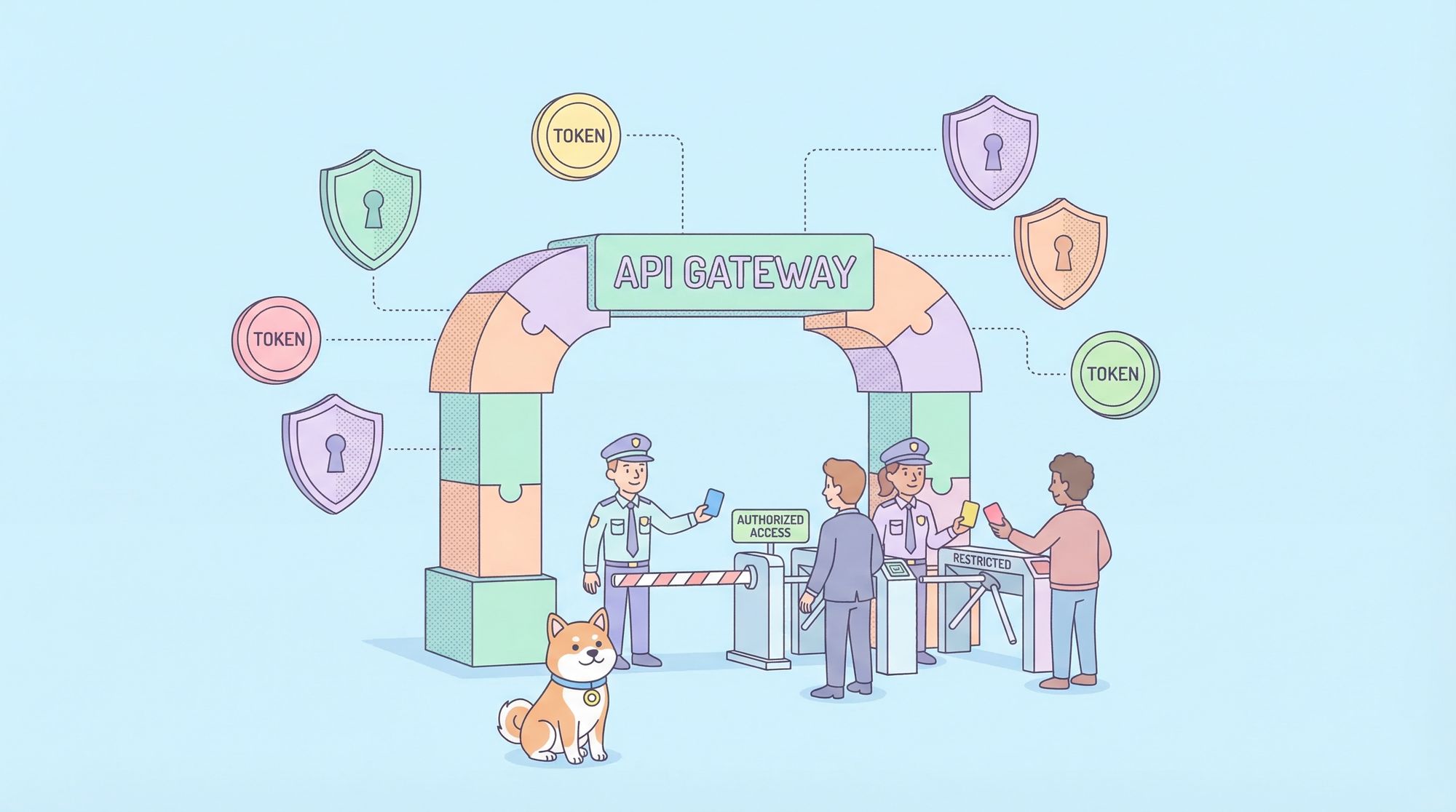
- API gateways that intercept requests and validate credentials
- Policy engines that check roles, scopes, and other attributes
- Rate limiting and throttling to prevent abuse
4. Monitoring and Auditing
Continuous monitoring and auditing are essential to API access management. You need to log access attempts, flag anomalies, and maintain an audit trail for compliance and incident response.
How Does API Access Management Work? (With Examples)
Example 1: OAuth 2.0 and Scopes
Suppose you run an API that exposes user profile data and administrative functions. With API access management:
- End-users authenticate using OAuth 2.0, obtaining an access token with specific scopes (e.g.,
read:profile). - Admins receive tokens with broader scopes (e.g.,
read:profile,delete:user,view:logs). - The API gateway checks the incoming token, validates its authenticity, and inspects the scopes to determine what the caller can do.
Only callers with the correct scopes can perform sensitive operations. This is a core pattern in modern API access management.
Example 2: API Keys for Partner Integrations
You expose a set of APIs to trusted partners. Each partner is issued a unique API key. API access management involves:
- Registering the partner and generating a key
- Limiting the key’s permissions (e.g., access only to specific endpoints)
- Monitoring usage per key
- Revoking keys instantly if suspicious activity is detected
Best Practices for API Access Management
1. Prefer Token-Based Authentication
Use standards like OAuth 2.0 and OpenID Connect for user and application authentication. API keys are simple but less secure for sensitive APIs.
2. Apply Principle of Least Privilege
Grant each consumer the minimum permissions they need. Use scopes and roles in your API access management policies.
3. Centralize Access Management
Manage API access policies, authentication, and authorization in a central platform or gateway for consistency and easier auditing.
4. Automate Key and Token Lifecycle Management
Implement self-service registration, renewal, and revocation for API keys and tokens. Automation reduces manual errors and response times.
5. Monitor and Audit All Access
Log every API call, monitor for anomalies, and set up alerts for suspicious activity. Regularly review access logs as part of your API access management process.
6. Use Rate Limiting and Throttling
Protect your APIs from abuse by enforcing per-user, per-key, or per-IP rate limits.
7. Leverage Strong Encryption
Ensure all API traffic is encrypted (TLS) and consider using JWT with strong signing algorithms.
Implementing API Access Management with Apidog
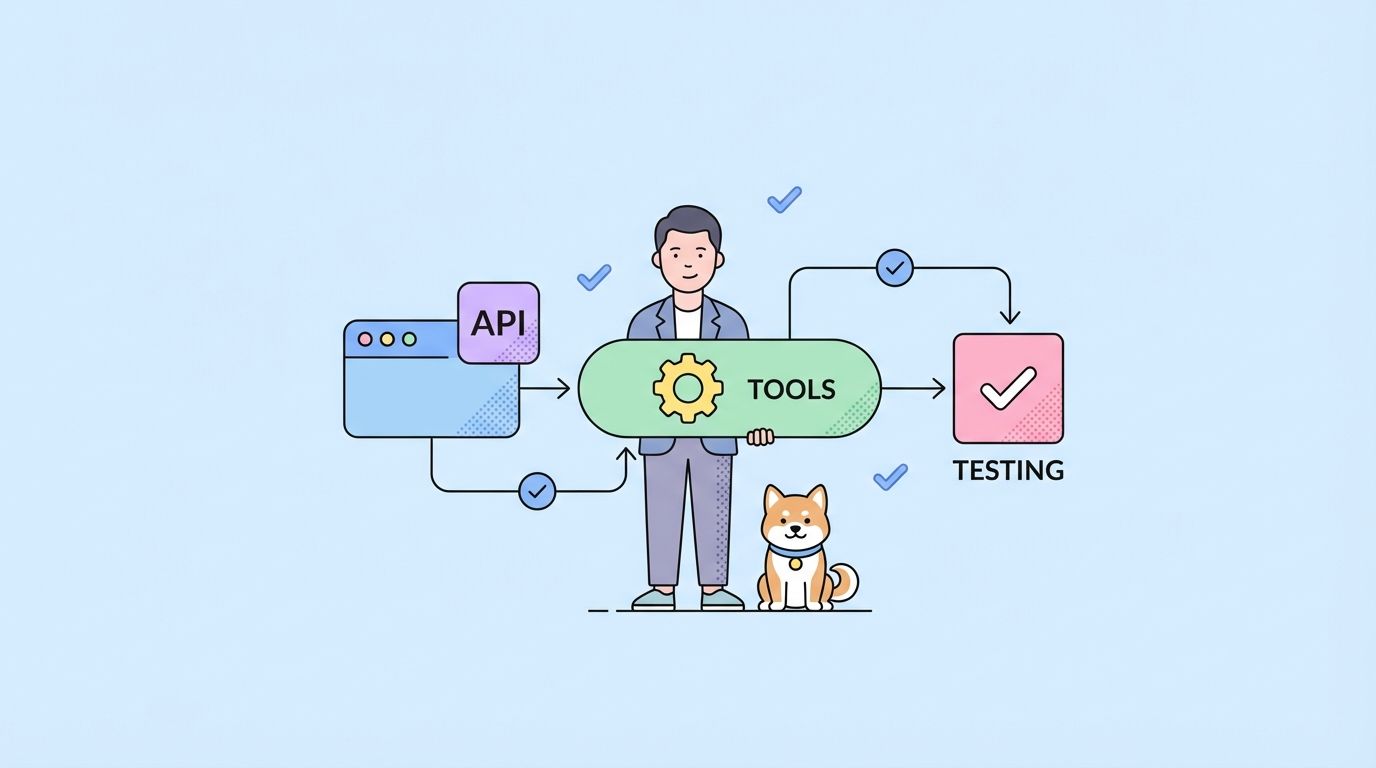
Apidog offers powerful tools that support the full lifecycle of API access management:
- API Design and Documentation: Define endpoints, request/response parameters, and security requirements in a spec-driven manner, making it easy to specify authentication and authorization rules from the start.
- Mocking and Testing: Simulate different access scenarios (e.g., valid/invalid tokens, different roles) during development and QA, ensuring your API access management policies work as intended.
- Import and Export: Seamlessly import existing API definitions (with their security schemes) or export them for integration with gateways and identity providers.
- Collaboration: Share API definitions and access policies with your team, keeping everyone aligned on API access management standards.
By integrating Apidog into your API development workflow, you can ensure that API access management is not an afterthought but a foundational aspect of your API strategy.
Real-World Applications of API Access Management
Securing Public APIs
When offering a public API (e.g., for third-party developers), robust API access management prevents abuse and data leaks. You might:
- Require developer registration
- Issue unique API keys or OAuth credentials
- Set granular rate limits per account
- Revoke access for violating terms of service
Protecting Internal Microservices
In microservices architectures, internal APIs often communicate with each other. API access management:
- Ensures only trusted services can interact via mutual TLS
- Applies service-to-service authorization policies
- Logs all internal API traffic for traceability
Partner and B2B Integrations
For business partners, API access management:
- Issues partner-specific keys or credentials
- Limits access to only necessary data/functions
- Audits usage for billing, compliance, or SLA monitoring
Regulatory Compliance
Meeting standards like GDPR, HIPAA, or PCI-DSS requires strict API access management:
- Auditable logs of all API access
- Role-based access controls
- Automated revocation and review processes
Common API Access Management Architectures
API Gateway-Centric
An API gateway acts as the central enforcement point for all authentication, authorization, and access control policies. Most modern API access management solutions use this approach, integrating with identity providers (IdPs) for user and application authentication.
Decentralized Policy Enforcement
In some architectures, individual microservices enforce their own access management policies, often using shared libraries or sidecars. While more flexible, this can complicate auditing and policy consistency.
Hybrid Approaches
Many organizations combine both: centralizing core API access management policies in a gateway, but allowing service-specific rules where necessary.
API Access Management and the API Lifecycle
API access management is not a one-time task—it must evolve as your APIs change. Considerations include:
- Updating access policies as new endpoints are added
- Rotating and revoking credentials regularly
- Adapting to new security threats or compliance requirements
Using tools like Apidog, you can keep your API access management strategies tightly integrated into your overall API lifecycle, from design and development to deployment and monitoring.
Conclusion: Next Steps in API Access Management
Effective API access management is essential to protect your data, users, and business. By implementing strong authentication and authorization, centralizing policy management, and continuously monitoring API usage, you can secure your APIs against evolving threats.
Get started with API access management today:
- Review your current API exposure and identify gaps in access management
- Design clear authentication and authorization policies for every API
- Use spec-driven tools like Apidog to document, test, and enforce your access management strategy
- Continuously monitor, audit, and improve your API access management processes
API access management is not just a technical requirement—it’s a business imperative.