Gemini 4 Argon was released to developers on October 13, 2026. That day Google made gemini-4-argon generally available on the paid tier of the Gemini API, and rolled Argon out to Google AI Pro and Ultra subscribers in the Gemini app and Search, and to Ultra subscribers in Google Antigravity. Google had announced Argon on September 30, 2026, for a set of Fairwind Program cyber defenders only. The next date to know is December 1, 2026, when the API price doubles from $2/$10 to $4/$20 per 1M tokens.
Below: the full timeline, who has Argon by channel, how the Fairwind phase worked, what Google still hasn’t said, and how to confirm your key can call it. For the model itself, start with what Gemini 4 Argon is. For the money question, see whether Gemini 4 Argon is free. If you call it from code, keep your requests in Apidog with the model name in an environment variable.
The Gemini 4 Argon timeline
Argon grew out of a summer of cyber-tuned Flash models shipped to a small group of defenders, then went wide 13 days after its announcement.
| Date | Event | Source |
|---|---|---|
| 2026-07-21 | Gemini 3.5 Flash Cyber launches as a “limited-access pilot” for governments and trusted partners | Google DeepMind blog |
| 2026-09-02 | Fairwind Program launches with Gemini 3.8 Flash Cyber and CodeMender, with 650+ partners | blog.google |
| 2026-09-24 | Kavukcuoglu says Gemini 4 is in post-training and coming “as soon as possible” | 9to5Google (third-party) |
| 2026-09-30 | Gemini 4 Argon announced; rolling out only to a set of Fairwind partners | blog.google |
| 2026-10-13 | GA: gemini-4-argon on the paid Gemini API; Pro and Ultra in the Gemini app and Search; Ultra in Antigravity |
Gemini API changelog, Sundar Pichai |
| 2026-10-13 | Cursor adds Argon at $2/$10 per 1M tokens | Cursor |
| 2026-10-14 | OpenCode adds Argon to OpenCode Go | OpenCode |
| 2026-11-30 | Last day of the $2/$10 API rate | Gemini API pricing page |
| 2026-12-01 | API price rises to $4/$20 per 1M tokens | Gemini API pricing page |
Every earlier model in this line went to defenders first: Gemini 3.5 Flash Cyber never got a public API, and Gemini 3.8 Flash Cyber sat behind an allowlist as of October 1. Argon started the same way but went public within two weeks. On September 24, 9to5Google reported that Kavukcuoglu told The Information’s AI Agenda Live summit Google hoped to ship “much earlier” than the end of 2026. It did.
Reuters reported that Argon arrived “after months of delays,” because Sundar Pichai had said Gemini 3.5 Pro would ship in June and Google later dropped it.
The Gemini API changelog entry dated October 13, 2026 lists gemini-4-argon as “generally available,” and the models page labels it “New Stable.” There’s one version, with no -preview suffix.
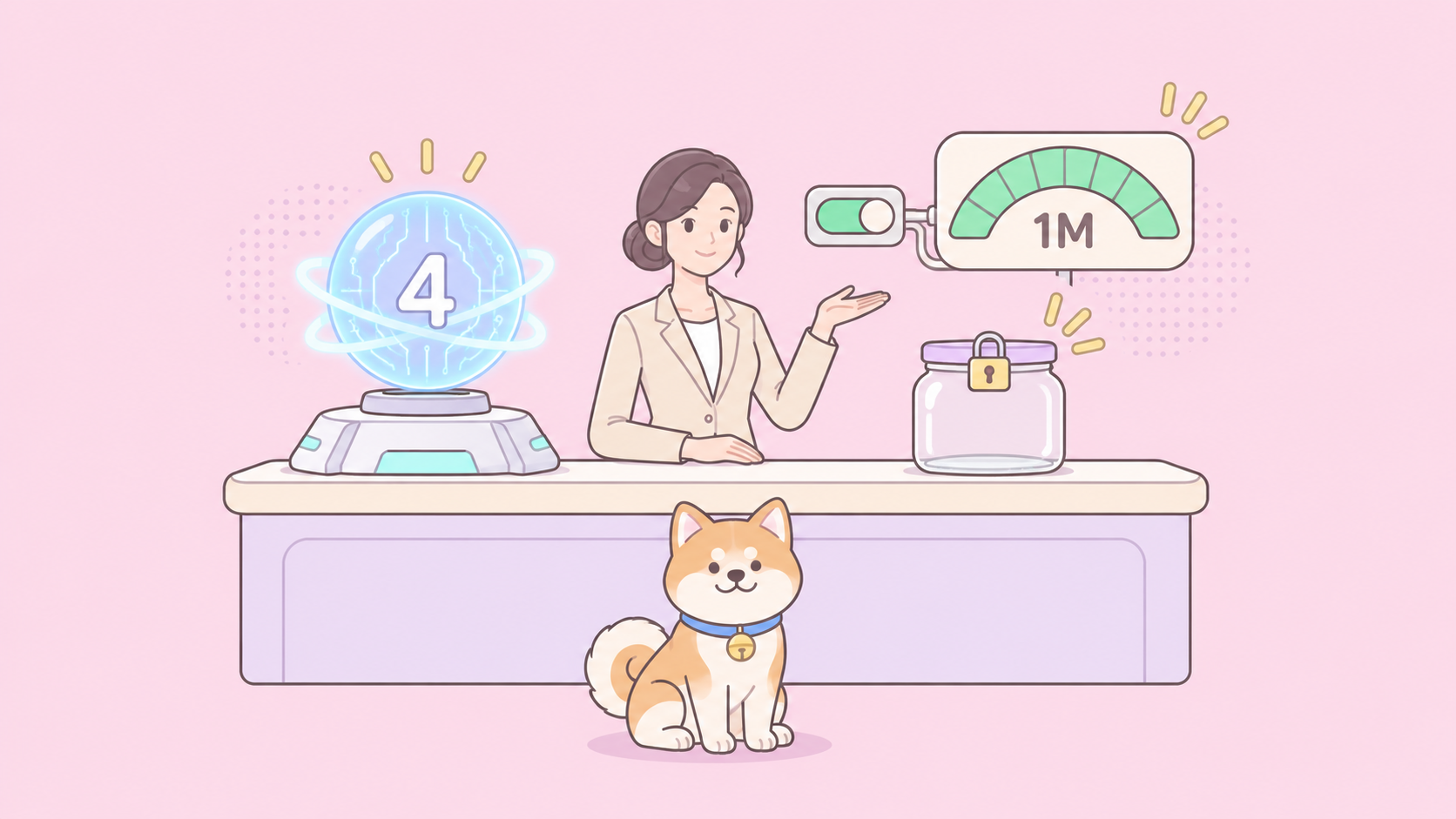
GA also filled in the specs Google had held back at announcement. Argon has a unified 1,048,576-token context window shared by input, thinking and output. A synchronous request returns 65,536 output tokens by default, and long decode in background mode on the Interactions API goes up to about 1M. Thinking levels are low, medium (the default) and high. If you’re porting Gemini 3.x code, remove temperature, top_p and top_k (Argon ignores them) and any explicit caching (not supported; implicit caching is on by default).
Who has Argon, channel by channel
On October 13, Sundar Pichai said Argon is “available globally today for developers and enterprises in the paid tier of the Gemini API and the Gemini platform, for Ultra subscribers in Google Antigravity, and Ultra and Pro subscribers in the Gemini app and Search.”
| Channel | Who | Status as of October 15, 2026 |
|---|---|---|
| Gemini API | Paid-tier projects | GA since October 13, model gemini-4-argon |
| Gemini API free tier | Everyone else | Not available |
| Gemini app | Google AI Pro and Ultra subscribers | Available since October 13 |
| Search | Google AI Pro and Ultra subscribers | Available since October 13 |
| Google Antigravity | Ultra subscribers | Available since October 13 |
| Enterprises | “The Gemini platform” | Named by Google; Vertex AI not confirmed |
| Cursor, OpenCode Go | Their users | Added October 13 and 14 |
| Fairwind Program | A set of partners | Since September 30 |
Google’s pricing page is blunt about the API: “Gemini 4 Argon is not available on the Free tier or on the Google AI Pro plan.” That line refers to API plans; Pro subscribers still get Argon in the Gemini app and Search. A consumer subscription isn’t an API key.
On the API, Argon costs $2 per 1M input tokens and $10 per 1M output tokens through November 30, 2026, then $4 and $20 from December 1. The Argon pricing guide has the cost math.
The Fairwind Program: where Argon started
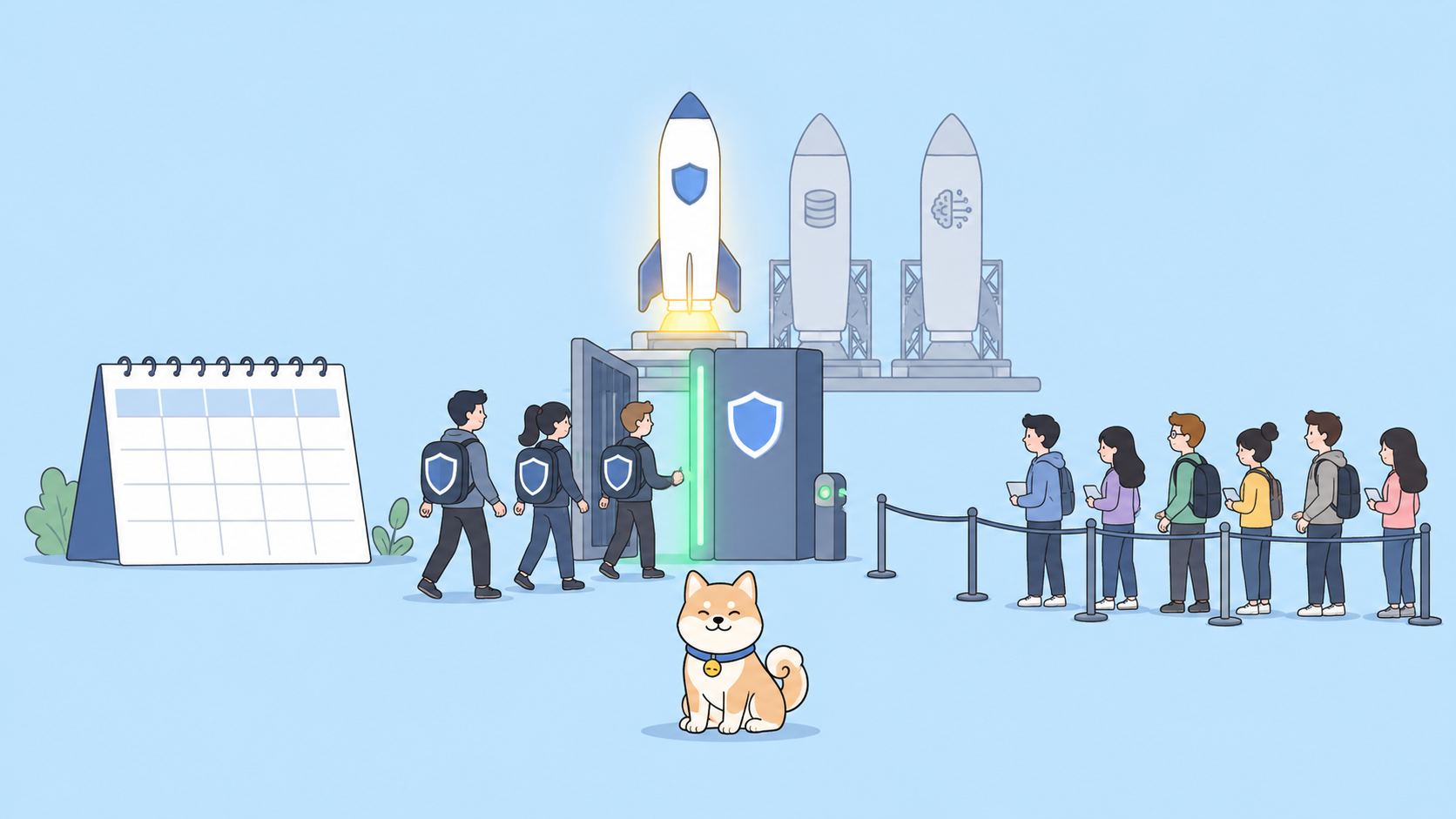
Before GA, the only way in was the Fairwind Program, which gives “high-priority defenders (like governments, healthcare providers, and telecommunications services) early access to advanced models.” Google says it works “with over 650 partners globally,” and the Fairwind page said at launch: “A set of Fairwind Program partners get exclusive access to Gemini 4 Argon, and can use this model in CodeMender.” Membership didn’t equal Argon access.
Google explained the order in one line: “Safely releasing frontier capabilities at this level requires a phased approach.” At announcement it said trusted defenders and its internal teams would get Argon without cyber guardrails. Our Argon cyber defense breakdown covers what that means for the APIs you run.
Who can apply
The page’s FAQ lists three groups, not ranked:
- Governments and national cyber authorities
- Critical infrastructure operators: healthcare, telecommunications, energy, and financial networks
- Core technology platforms that secure widely used software foundations
All need “a proven track record of ethical operations and research.” Academic labs “that focus on defensive benchmarking” can apply too, and students are pointed to CodeMender on Google Cloud. Private companies aren’t excluded, since many infrastructure operators and technology platforms are private.
What you commit to
Fairwind isn’t a waitlist. Google runs background checks on applying organizations, and partners accept operating terms:
- “User-level authentication, phishing-resistant MFA, and applicable access controls.”
- Argon access only for “internal cybersecurity, incident response, or penetration testing teams.”
- Organizations “must track employee access and use.”
- No sharing, redistributing, or reselling access.
How to apply and how access is delivered
Apply through the Fairwind interest form. Google says it will “review and respond to eligible partners who meet our criteria as soon as we can,” with no stated response time. Approved partners use Argon on Gemini Enterprise: “When accessed directly as a managed model on Gemini Enterprise, Gemini 4 Argon supports zero data retention.”
What Google hasn’t said
As of October 15, 2026, these are still open:
- Vertex AI and Gemini Enterprise Agent Platform. Pichai named “the Gemini platform” for enterprises, but Google hasn’t confirmed an Argon listing on Agent Platform, and one report says its release notes don’t list Argon yet.
- Gemini app limits. Google hasn’t published how many Argon messages Pro and Ultra subscribers get.
- Per-model rate limits. RPM, TPM and RPD aren’t in the docs; AI Studio shows them for your project.
- Knowledge cutoff. Not published.
- Gemini CLI. We haven’t seen Google confirm Argon there.
- Fairwind review time, and how many partners have Argon.
How to confirm your key can call Argon
Launch day has passed, but the same checks now tell you whether your key can call Argon and what it serves.
Check the changelog and models page. Both list gemini-4-argon as of October 13.
Poll models.list. The Gemini API lists every model your key can see. On October 1, 2026, this call returned 61 models and nothing matching “argon”:
curl -s "https://generativelanguage.googleapis.com/v1beta/models?pageSize=1000" \
  -H "x-goog-api-key: $GEMINI_API_KEY" \
  | jq -r '.models[] | select(.name | test("argon"; "i")) | "\(.name) out=\(.outputTokenLimit)"'
Each entry carries name, inputTokenLimit, outputTokenLimit, supportedGenerationMethods, and thinking. If the call returns nothing for Argon, check first that the key belongs to a project with billing linked, since Argon isn’t on the free tier.
Turn it into a check. Save the same GET request in Apidog with GEMINI_API_KEY stored as an environment variable, and add a post-processor script that fails when Argon is missing:
const models = pm.response.json().models || [];
const hits = models.filter(m => /argon/i.test(m.name));
pm.test("Argon is visible to this key", () => {
  pm.expect(hits.length).to.be.above(0);
});
if (hits.length) console.log(hits.map(m => `${m.name} out=${m.outputTokenLimit}`).join("\n"));
Put the request in a test scenario, run it with Apidog’s scheduled tasks or from CI with the Apidog CLI, and attach a notification. A revoked key or a billing problem then shows up as a failed run, not a production error. Store GEMINI_MODEL=gemini-4-argon next to the key, and price your saved requests at the December rates so the change shows up in tests before it shows up on an invoice. The Argon API guide covers request shapes.
FAQ
What is the Gemini 4 Argon release date? October 13, 2026, for developers on the paid Gemini API and for Pro and Ultra subscribers in the Gemini app. Google announced it on September 30, 2026, for Fairwind partners only.
Can I use Gemini 4 Argon now? Yes, with a paid-tier Gemini API key, a Google AI Pro or Ultra subscription (Gemini app and Search), or Ultra for Antigravity. Cursor and OpenCode Go offer it too. There’s no free API tier; for a model with one, the 3.8 Flash API guide gets you to a first call.
When does the Gemini 4 Argon price change? November 30, 2026 is the last day of $2/$10 per 1M tokens. From December 1, the API rate is $4/$20.
Do Google AI Pro subscribers get Argon? Yes, in the Gemini app and Search. Not through the API, and Google named only Ultra subscribers for Antigravity.
What is the Gemini 4 Argon model ID? gemini-4-argon. It’s the stable version, with no -preview suffix.
What to do before December 1
If you build on the Gemini API, move a test workload to gemini-4-argon while the $2/$10 rate runs, measure real token counts, and price them at $4/$20 so the December bill holds no surprises. If you run security for a qualifying organization, Fairwind is still the route to Argon on Gemini Enterprise with zero data retention. Download Apidog to keep the access check, your regression requests and the cost assertions in one workspace.